CONFIDENTIAL · PREPARED FOR UNITED THERAPEUTICS · NOT FOR DISTRIBUTION
Engage. × United Therapeutics UT 100 ROBOT PROGRAM
CLIENT PROGRAM PORTAL · REVISION B · AUGUST 2026

The UT 100
Robot Program.

Engage G2–based robotic interventions for sterile fill-finish operations — from engineering prototype, to pilot, to a 100-unit production fleet. One platform, one program, every document and every piece of evidence in one place.

0
Production units · staged rollout
USD 0
Program value · per LOI
USD 0/yr
Annual support · per LOI
28–40 mo
Planning range to full deployment
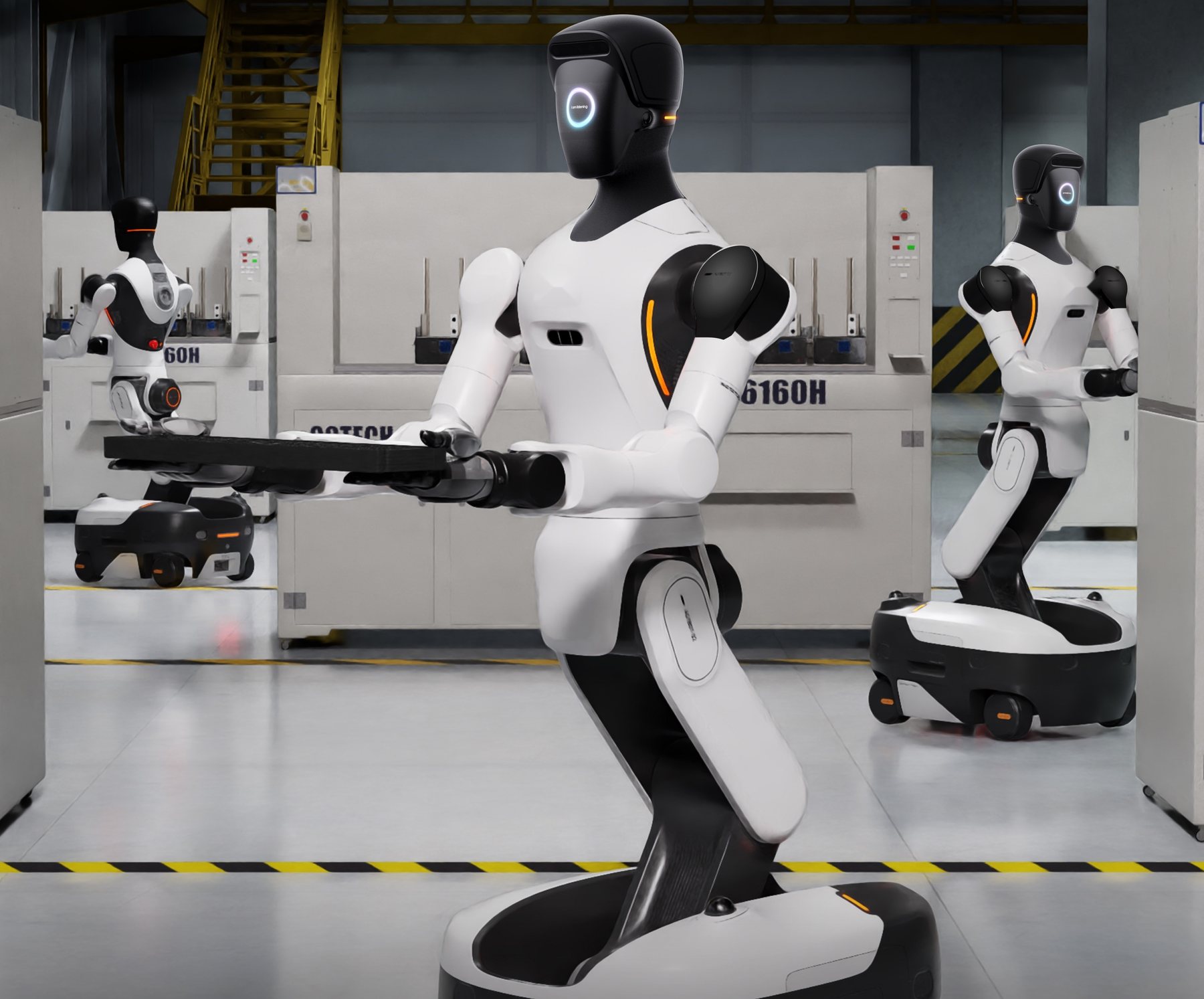
Engage G2 fleet in production
FIG. 01 · ENGAGE G2 FLEET · PRECISION LINE OPERATIONS
01

The platform: Engage G2.

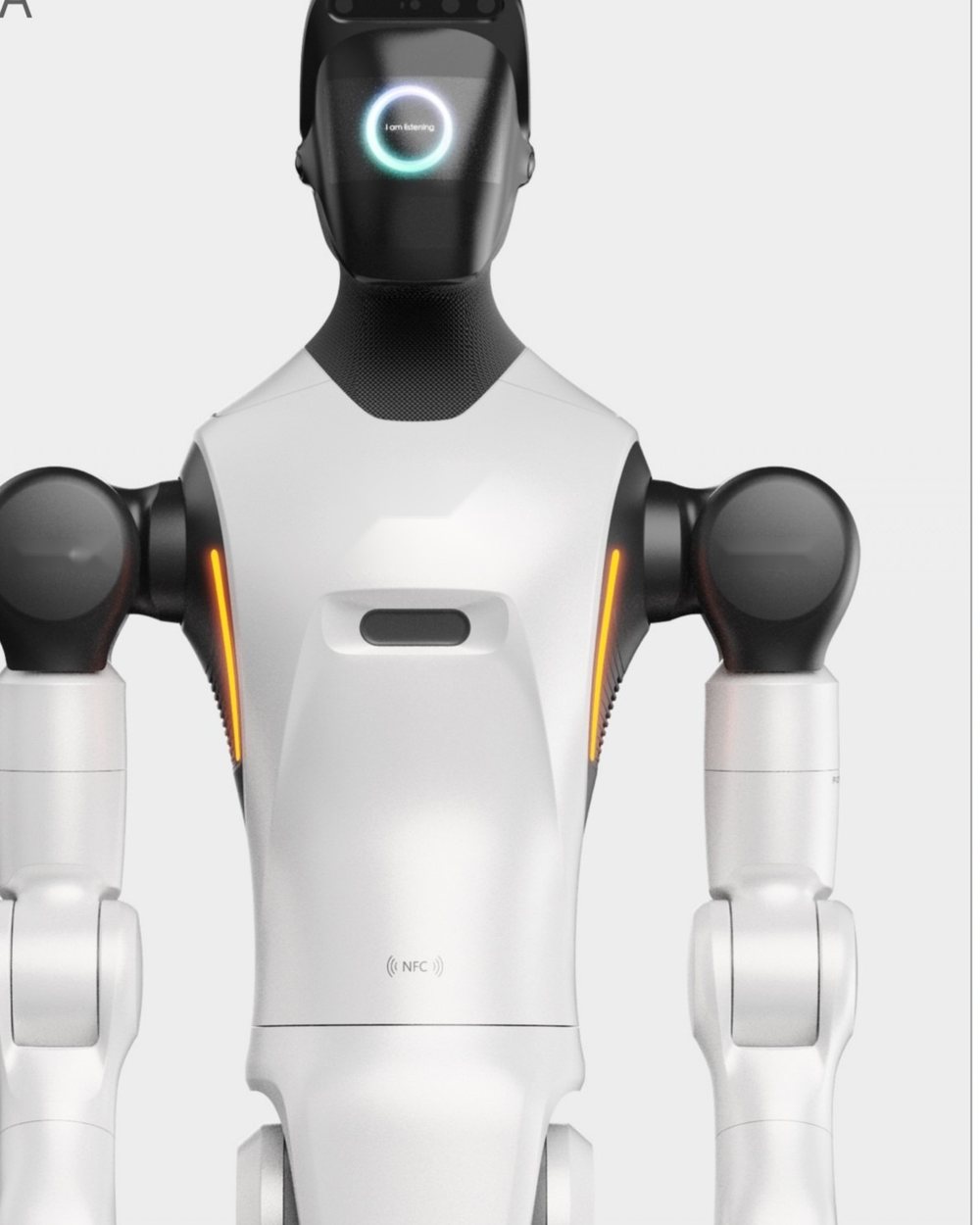
The recommended foundation. The Engage G2 premium-compute configuration — dual 7-axis force-controlled arms, standard end-effector flange, local high-performance compute, and native head and wrist RGB-D sensing. G2 is a technology platform engineered for application-specific integration into UT's workcells.

Degrees of freedom26 active · dual 7-DOF arms
Force control≤ 0.5 N dual-arm precision · full joint torque sensing
Arm payload5 kg rated per arm
ComputeNVIDIA Jetson T5000 · 2,070 TFLOPS (FP4)
PerceptionHead + wrist RGB-D · stereo · 3 fisheye · 2 LiDAR
PowerDual 1,652 Wh hot-swappable · ~4 h endurance
Chassis4-steer-wheel omnidirectional · 1.5 m/s
ProtectionIP42 · 0–40 °C · <80% RH
FULL SPECIFICATIONS (PDF) ↗
Engage G2
FIG. 02 · ENGAGE G2 · INTERACTION CONFIGURATION
02

Field evidence. Real, unstaged.

FIELD FOOTAGE · HATCH INTERVENTION
FOOTAGE REAL · UNSTAGED PRODUCT DAMAGE ZERO TARGET ENVIRONMENT GRADE A / ISO 5
FIELD FOOTAGE · CLEANROOM
READING THE FOOTAGE
VISION LOCKThe platform holds visual lock on the target through approach, contact and retreat.
BOUNDED FORCEContact stays inside a defined force envelope — no impact events, no overdrive.
ENVELOPE INTACTEvery motion resolves inside the planned work envelope. No collision, no excursion.
03

Prototype to 100 units. Staged.

PHASE 0 · DISCOVERY6–8 WEEKS CAD and reach study · intervention decomposition · sample and force study · cybersecurity and validation plan · prototype SOW Gate: architecture & prototype scope approved
PHASE 1 · FEASIBILITY12–16 WEEKS 1–2 engineering G2 units · mock-up dock · five representative tasks · early tooling and vision · baseline reliability Gate: selected tasks pass feasibility
PHASE 2 · PRODUCTION-INTENT16–24 WEEKS Production-intent tools and fixtures · fixed vision and calibration · safety and workcell controls · lifecycle evidence Gate: design authorized for pilot
PHASE 3 · PILOT BUILD24–32 WEEKS 3–5 pilot units · controlled build · FAT · SAT/IQ/OQ support · operator and service training Gate: pilot released for evaluation
PHASE 4 · PILOT EVIDENCE6–12 MONTHS Sustained campaigns · reliability growth · maintenance and spares evidence · supplier and BOM freeze Gate: production design freeze
PHASE 5 · 100-UNIT ROLLOUT12–18 MONTHS Production validation · staged waves (5–10, 20–25, 25–30, balance) · site commissioning · fleet configuration · service readiness Gate: 100 accepted units across agreed sites
04

Intervention assessment.

READYusable engineering building block ADAPTapplication engineering required DEVELOPnew hardware / software / tooling TESTphysical trial required INPUTUT data, samples or access required RISKmaterial dependency exists
Clear jammed stoppersADAPT / TEST / INPUT

PROPOSED CONCEPT

Stopper-specific parallel micro-gripper or compliant scoop, controlled-force pads and positive part-presence sensing, guided by dual-arm force control and wrist vision.

CONFIRMATION REQUIRED

Grasp without marking, shedding or displacement of acceptable components; defined dropped-part recovery and disposal route.

Clear or reposition jammed vialsADAPT / TEST / INPUT / RISK

PROPOSED CONCEPT

Shaped compliant vial gripper or under-body support with fixed macro vision, grip-force limits and breakage detection.

CONFIRMATION REQUIRED

Glass damage, tip-over and broken-vial containment are critical. Test all vial sizes, fill states, line speeds and jam orientations.

Clear or reposition crimp capsADAPT / TEST / INPUT

PROPOSED CONCEPT

Small-part collet or precision parallel gripper with controlled illumination and part-presence sensing.

CONFIRMATION REQUIRED

Cap finishes, reflective surfaces, allowed contact locations and misfeed distributions.

Replace or re-seat liquid linesDEVELOP / TEST / INPUT / RISK

PROPOSED CONCEPT

Dual-arm deformable-object manipulation with tubing-profile jaws, tactile or jaw-force sensing, route fixtures and visual seating verification.

CONFIRMATION REQUIRED

No kinking, puncture, disconnection or leakage; defined post-action integrity test.

Replace, reposition or manipulate filling needlesDEVELOP / TEST / INPUT / RISK

PROPOSED CONCEPT

Guided collet or needle-specific tool with visual servoing, mechanical alignment and a strict force/torque envelope. Human approval during early pilot.

CONFIRMATION REQUIRED

Safety- and quality-critical: allowable contact, bend limits, lock verification and recovery from partial insertion.

Place, retrieve and exchange EM platesADAPT / TEST / INPUT

PROPOSED CONCEPT

Under-rim fork or plate-specific parallel gripper with fixed pose fixture, barcode/OCR check and recipe-enforced exposure timing.

CONFIRMATION REQUIRED

Lid and plate handling, orientation, labeling, no contact with media, traceable placement and retrieval.

Reload components · adjustments · line clearance · changeoverDEVELOP / TEST / INPUT / RISK

PROPOSED CONCEPT

Dedicated trays, feeders, tools and validated recipes per component family and adjustment — never one generic behavior. Vision-based coverage verification with before/after evidence.

CONFIRMATION REQUIRED

Exact components, quantities, presentation, line interfaces and workcell-specific acceptance criteria. New tasks enter controlled change management.

The first prototype deliberately spans one rigid small-part jam, one vial task, one needle task, one tubing task and one EM-plate task — the five families that carry the main manipulation and recovery risks.

05

Acceptance gates.

GATE 01 · ENGINEERING FEASIBILITY
≥ 85%
over 100+ trials per task

100% geometric access to selected targets, bounded force, no collision, no critical product damage or quality event.

GATE 02 · PRODUCTION-INTENT
≥ 90%
over 1,000+ cycles per task

All failures detected and driven to a defined safe state; tool-life and drift limits demonstrated. UT may set stricter targets.

GATE 03 · PILOT
Sustained
across shifts and campaigns

UT-defined production performance, no unresolved critical deviations, stable software baseline, complete validation evidence.

GATE 04 · DESIGN FREEZE
Controlled
BOM, baseline and service plan

Released drawings, software/firmware/recipe baseline, supplier controls, spares plan and accepted pilot evidence.

06

Program documents.

DOC 01 · TECHNICAL RESPONSE · 14 PP

UT 100 Technical Scoping Response

The complete Revision-B engineering response: platform baseline, task-by-task assessment, tooling and calibration strategy, software and cybersecurity architecture, qualification support, risks and the staged program plan.

OPEN THE RESPONSE ↗
DOC 02 · PRODUCT BROCHURE · 4 PP

Engage G2 Product Brochure

The platform at a glance — capabilities, operational workspace, interaction, teleoperation, safety systems, power architecture and the developer ecosystem.

OPEN THE BROCHURE ↗
DOC 03 · DATA SHEET · 2 PP

Engage G2 Technical Specifications

The released figures: dimensions, degrees of freedom, perception stack, range of motion, performance, power system, compute and platform support.

OPEN THE DATA SHEET ↗
DOC 04 · COMMERCIAL · CONFIDENTIAL

Letter of Intent

The executed Engage × United Therapeutics Letter of Intent — 100-unit sterile fill-finish robotics program, USD 39,756,080 with USD 4,436,102 in annual support.

OPEN THE LOI ↗

FIELD MICROSITE — 100-UNIT PROGRAM OVERVIEW →